
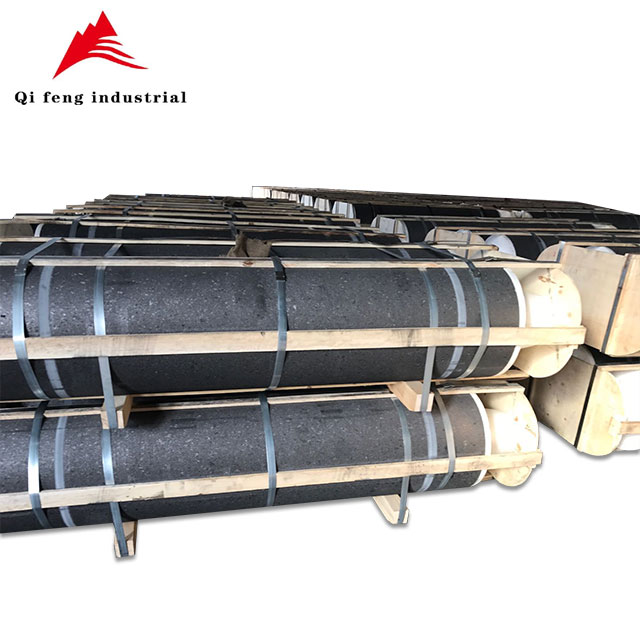
Ultra-high power graphite electrodes are battery components used for high-speed charging and discharging, typically applied in fields that require fast charging and high power output, such as electric vehicles and energy storage systems. It is of great significance to evaluate the performance of ultra-high power graphite electrodes, as it directly affects the efficiency, stability and service life of battery modules. The following are some key aspects for evaluating the performance of ultra-high power graphite electrodes:
1.Cycle life: Cycle life is one of the important indicators for evaluating electrode performance. It refers to the number of times a battery can maintain stable performance during continuous charge and discharge cycles. By conducting continuous cycle tests on the battery, its stability and service life can be evaluated.
2. Energy density: Energy density refers to a battery’s ability to store energy per unit volume or per unit mass. Ultra-high power graphite electrodes usually have a relatively high power density, so it is necessary to evaluate their energy density to determine their efficiency in practical applications.
3. Charge and discharge rate: The charge and discharge rate refers to the battery’s ability to charge and discharge within a unit of time. Ultra-high power graphite electrodes usually have relatively high charge and discharge rates, so it is necessary to test their performance at different rates.
4. Cycle stability: Cycle stability refers to the stable performance of a battery during continuous cycle charging and discharging. By conducting cycle tests on the battery, the performance changes under different cycle counts can be evaluated.
5. Impact stability: Impact stability refers to the stable performance of a battery when subjected to external impacts or vibrations. Ultra-high power graphite electrodes usually need to have high impact stability to ensure reliability in harsh environments.
6. Electrical conductivity: Ultra-high power graphite electrodes need to have excellent electrical conductivity to ensure smooth current flow. By testing the conductivity of the electrode, its performance at high power output can be evaluated.
7. Electrochemical performance: Electrochemical performance refers to the chemical reaction performance of the electrode during the charging and discharging process. By testing the electrochemical performance of the electrode, its performance under different working conditions can be evaluated.
In conclusion, evaluating the performance of ultra-high power graphite electrodes requires testing and analysis from multiple aspects to ensure that they can meet the actual application requirements. Through the evaluation of the above key aspects, a comprehensive understanding of the performance of the electrode can be achieved, providing better support for its practical application.
Post time: Jun-17-2025