
Carbon products can be classified by their application into graphite electrode type, carbon block type, graphite anode type, carbon electrode type, paste type, electric carbon type, carbon fiber type, special graphite type, graphite heat exchanger type, etc. Graphite electrodes can be classified into ordinary power graphite electrodes based on the allowable current density. High-power electrodes, ultra-high-power electrodes. Carbon blocks can be classified by their uses into blast furnace carbon blocks, aluminum carbon blocks, electric furnace blocks, etc. Carbon products can be classified into carbon products, graphite products, carbon fibers and graphite fibers, etc. according to the depth of processing. Carbon products can be classified into graphite products, carbon products, carbon fibers, and special graphite products, etc., based on different raw materials and production processes. Carbon products can be further classified into high-ash products and low-ash products (with an ash content of less than 1%) based on the amount of ash they contain.
The national technical standards and ministry-issued technical standards for carbon products in our country are classified according to the different uses of the products and different production processes. This classification method basically reflects the different uses and production processes of the products and is also convenient for accounting. Therefore, its calculation method also adopts this classification standard. The following is an introduction to the classification and description of carbon products by Anshan Carbon.
1. Carbon and graphite products
(1) Graphite electrode type
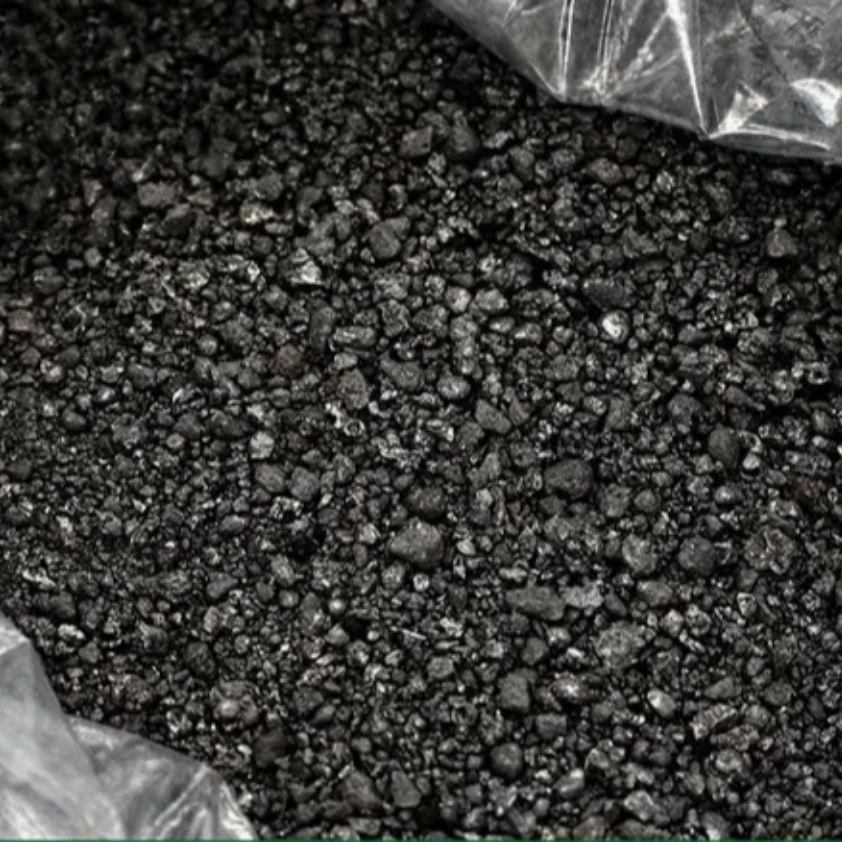
It is mainly made from petroleum coke and needle coke as raw materials, with coal tar pitch as the binder. It is produced through calcination, batching, kneading, pressing, roasting, graphitization and machining. It is a conductor that releases electrical energy in the form of an electric arc in an electric arc furnace to heat and melt the charge. According to its quality indicators, it can be divided into ordinary power, high power and ultra-high power. Graphite electrodes include:
(1) Ordinary power graphite electrode. Graphite electrodes with a current density lower than 17A/cm ² are allowed to be used, and they are mainly used in ordinary power electric furnaces for steelmaking, silicon smelting, yellow phosphorus smelting, etc.
(2) Anti-oxidation coated graphite electrode. Graphite electrodes coated with an anti-oxidation protective layer on the surface form a protective layer that is both conductive and resistant to high-temperature oxidation, reducing electrode consumption during steelmaking.
(3) High-power graphite electrode. Graphite electrodes with a current density of 18 to 25A/cm ² are allowed to be used, mainly in high-power electric arc furnaces for steelmaking.
(4) Ultra-high power graphite electrode. Graphite electrodes with a current density greater than 25A/cm ² are allowed. It is mainly used in ultra-high power steelmaking electric arc furnaces.
(2) Graphite anode type
It is mainly made from petroleum coke as raw material and coal tar pitch as binder, and is produced through calcination, batching, kneading, pressing, roasting, impregnation, graphitization and machining. It is generally used as a conductive anode for electrolytic equipment in the electrochemical industry. Including: (1) Various anode plates for chemical industry. (2) Various anode rods
(3) Special graphite types
It is mainly made from high-quality petroleum coke as raw material, coal tar pitch or synthetic resin as binder, and is produced through raw material preparation, batching, kneading, tablet pressing, crushing, re-kneading, molding, multiple calcination, multiple impregnation, purification and graphitization, and machining. It is generally used in the aerospace, electronic and nuclear industry sectors. It includes spectral pure graphite, high-purity, high-strength, high-density and pyrolytic graphite, etc.
(4) Graphite heat exchanger
The impermeable graphite product for heat exchange is made by processing artificial graphite into the required shape, then impregnating and curing it with resin. It is a heat exchange device processed from artificial impermeable graphite as the base material and is mainly used in the chemical industry.
Including: (1) Block-hole type heat exchanger; (2) Radial heat exchanger (3) Falling film heat exchanger (4) Tubular heat exchanger. (5) Carbon electrode type
A conductive electrode made by pressing and firing with carbonaceous materials such as anthracite and metallurgical coke (or petroleum coke) as raw materials and coal tar pitch as the binder, without undergoing graphitization. It is not suitable for electric furnaces used for smelting high-grade alloy steel. Including: (1) Multi-ash electrodes (electrodes produced from anthracite, metallurgical coke and asphalt coke); (2) Regenerated electrodes (electrodes produced from artificial graphite or natural graphite); (3) Carbon resistance rods (i.e., carbon lattice bricks) pre-baked anodes produced from oil coke; (4) Carbon anode (pre-baked anode produced from petroleum coke); (5) Roast the electrode blanks.
Carbon products can be classified by their application into graphite electrode type, carbon block type, graphite anode type, carbon electrode type, paste type, electric carbon type, carbon fiber type, special graphite type, graphite heat exchanger type, etc. Graphite electrodes can be classified into ordinary power graphite electrodes based on the allowable current density. High-power electrodes, ultra-high-power electrodes. Carbon blocks can be classified by their uses into blast furnace carbon blocks, aluminum carbon blocks, electric furnace blocks, etc. Carbon products can be classified into carbon products, graphite products, carbon fibers and graphite fibers, etc. according to the depth of processing. Carbon products can be classified into graphite products, carbon products, carbon fibers, and special graphite products, etc., based on different raw materials and production processes. Carbon products can be further classified into high-ash products and low-ash products (with ash content less than 1%) based on the amount of ash they contain.
The national technical standards and ministry-issued technical standards for carbon products in our country are classified according to the different uses of the products and different production processes. This classification method basically reflects the different uses and production processes of the products and is also convenient for accounting. Therefore, its calculation method also adopts this classification standard. The following introduces the classification and description of carbon products.
The upstream enterprises in the carbon industry mainly include: 1. Anthracite calcination enterprises; 2. Coal tar processing and production enterprises; 3. Petroleum coke production and calcination enterprises.
Bicycle wheels made of composite materials reinforced with graphene raw materials and products, known as Quarno (with graphene raw materials and products Plus inside), have three different versions (46, 60 and 84 mm), which contain graphene raw materials and products nanosheets (GNP) provided by Directa Plus. Graphene raw materials and products offer advantages to wheels such as heat dissipation (reducing by 15-30°C) – a key factor for slopes, increased lateral stiffness (over 50%), and reduced burrs, especially near the valve area.
The main advantage of adding graphene raw materials and products to ski suits is that it enables the fabric to act as a filter between the human body and the external environment, thereby ensuring the ideal temperature for the wearer. Due to the thermal conductivity of graphene raw materials and products, the heat generated by the human body can be retained and evenly distributed in cold climates, but spread out in warm climates, and achieve uniform body temperature in sports activities. Graphene raw materials and products Plus treated fabrics also have electrostatic and antibacterial effects. If G + is placed on the outside of the clothing, it can reduce friction with air and water, thereby achieving outstanding sports performance.
Post time: May-20-2025